
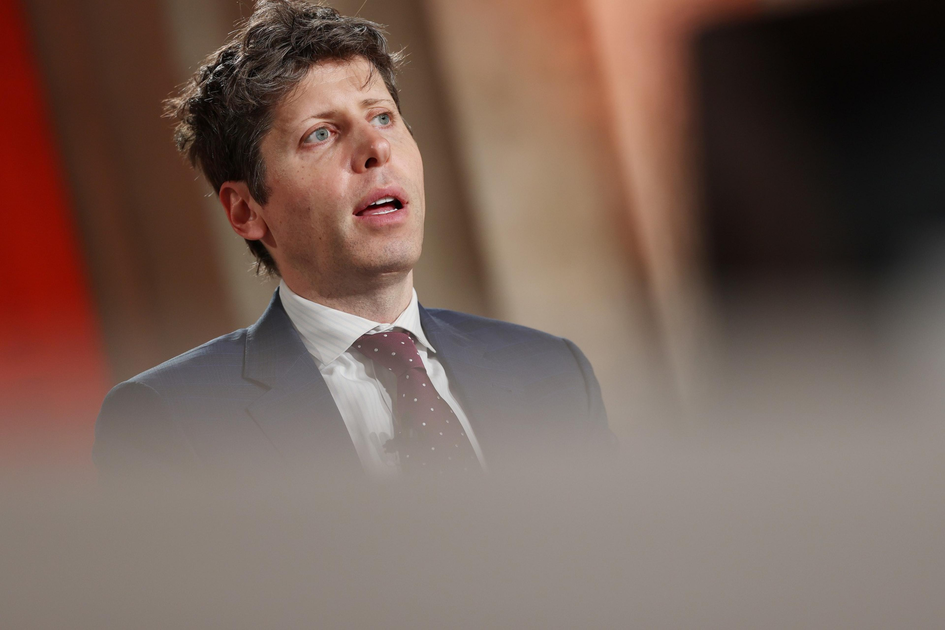
At 3:45 a.m. Friday, a man threw a Molotov cocktail at the home of OpenAI CEO Sam Altman. The homemade bomb bounced off the house and caused no damage. But the attack ignited new worries among leaders of local tech companies, who are leery that growing fears about artificial intelligence could manifest into more threats or even violence against their executives and businesses.
Friday’s incident was just the latest assault aimed at the AI industry. Earlier this week, there was a shooting at the home of a Indiana elected official; police found a note that said, “No data centers.” In November, an anti-AI activist who had chained himself to OpenAI’s campus in San Francisco and was later charged with trespassing went missing after his friends told police he’d hinted at violent plans.
High-paid executives across the business world have been on notice since December 2024, when UnitedHealthcare CEO Brian Thompson was fatally shot on the street in New York City. Corporate spending on physical security increased significantly in 2024, according to a 2025 Reuters report (opens in new tab) on annual shareholder disclosures.
“Executives are more vulnerable than ever,” said Kent Moyer, CEO of the The World Protection Group, which handles home and corporate security for celebrities and executives in California.
“Across the country, threats are going up.”
Altman’s home security team was effective at stopping Friday’s attack, Moyer said. But executives of Altman’s stature need to be cautious about having personal information online.
“Altman has houses in Napa, Hawaii, San Francisco, maybe five or six houses, and every one of them are easy to get the full address — they’re all on the Internet,” Moyer said.
Police arrested 20-year-old Daniel Moreno-Gama for Friday’s attack. According to the San Francisco Police Department, security personnel at Altman’s home were quickly able to extinguish the small fire caused by the bottle containing a burning rag. Moreno-Gama is also accused of making threatening statements later that morning at OpenAI’s Mission Bay headquarters, where he was taken into custody.
Altman responded to the attack in a blog post Friday that included a rare photo of his husband and their child.
“I empathize with anti-technology sentiments and clearly technology isn’t always good for everyone. But overall, I believe technological progress can make the future unbelievably good, for your family and mine,” Altman wrote. “While we have that debate, we should de-escalate the rhetoric and tactics and try to have fewer explosions in fewer homes, figuratively and literally.”
Other high-profile executives with residences in San Francisco include Salesforce CEO Marc Benioff and Nvidia CEO Jensen Huang. In 2022, Rep. Nancy Pelosi’s husband was violently attacked by a man who broke into the family’s Pacific Heights mansion. Protesters have increasingly staged actions outside the personal homes of lawmakers and industry titans in recent years.
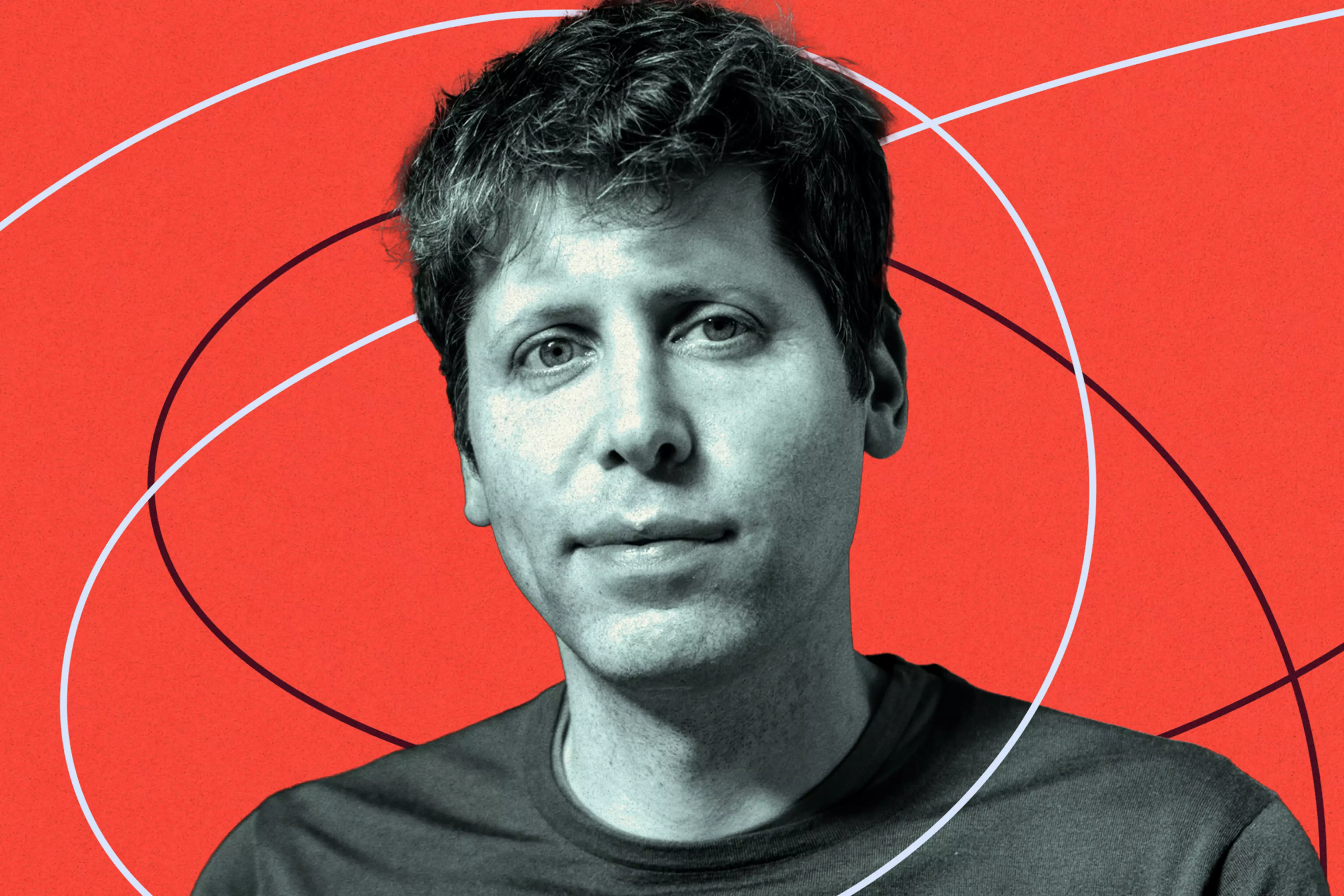
Fears and concerns about AI introduce a new level of uncertainty and risk. Data from the Pew Research Institute (opens in new tab) suggests that Americans are fearful of AI, with half of U.S. adults surveyed reporting they are more concerned than excited by developments in the industry. Primary concerns include job loss and impacts on education. As lawsuits over the impacts of AI chatbots continue to mount and critical media coverage of the industry and its leaders persists, experts expect more threats of violence and an increased demand for security.
Since Thompson’s murder in 2024, business leaders have been increasingly willing to submit to more stringent security protocols, including hiring personal drivers and engaging in proactive surveillance, according to John Orloff of the executive security firm Jensen Hughes.
“Ultimately, the CEO is the person held responsible for decisions made by the company,” he said. “People watching from the outside of the business put the blame squarely on the shoulders of the CEO.”
Whereas in traditional business that could mean blame for financial hardship or layoffs, in the technology industry, it could imply accountability for a wider host of societal ills.
“There is a concern that [AI] disrupts labor markets and could potentially perpetuate bias through training data or cause significant ethical or copyright issues. The lack of transparency and accountability are issues that people are having a hard time confronting,” Orloff said. “I’m very interested to see why this person showed up at Mr. Altman’s residence.”
There has been a swell of opposition across the country to a building boom in AI data centers. These massive facilities put strain on local electrical power supplies and consume large volumes of water, prompting residents of nearby communities to question their value.
Work with governments and militaries has also been contentious. In recent weeks, even as the U.S. and Israel started a war with Iran, the top AI labs have jockeyed over contracts with the federal government; particularly, the Department of Defense. While OpenAI has been criticized for working with the Pentagon, Anthropic sells its technology to defense contractors. Google also holds lucrative contracts with both the U.S. and Israeli governments. Last month, anti-war protesters marched outside OpenAI headquarters, including members of Stop AI, a local group that opposes “the reckless development of artificial intelligence,” according to its website.
Stop AI denied any involvement in Friday’s attack on Altman’s home. “Stop AI seeks to protect human life. We do not condone any violence whatsoever. We pray everyone involved in this situation puts aside violence and finds peace, and we continue to hope the AI industry stops the development of frontier AI systems in the interest of public safety and the preservation of humanity,” the group said in a statement.
“We deeply appreciate how quickly SFPD responded and the support from the city in helping keep our employees safe,” said OpenAI spokesperson Jamie Radice in an email statement. “The individual is in custody, and we’re assisting law enforcement with their investigation.”
OpenAI did not respond to a request for comment. The company is hiring an industrial security (opens in new tab) lead in San Francisco, according to a listing on its website, and until recently (opens in new tab) had an opening for a head of operations for corporate security, based in San Francisco.